You Are a PACER, Not a RACER
Today isn’t your day to shine. Every step you take fuels someone else’s dream — and you are far more than just a timer.
Read articlePacer Academy · ML Pacer Coaching
Practical, field-tested guidance for non-elite race pacers and organisers — from recruitment and training to race day and beyond.
The pacer journey
Follow the path from your first application to the post-race celebration, or jump straight to the topic you need.
Start here
Today isn’t your day to shine. Every step you take fuels someone else’s dream — and you are far more than just a timer.
Read articleBeing fast isn’t enough. Pacers must be able to run meaningfully faster than their group’s target pace — here is how big that buffer should be.
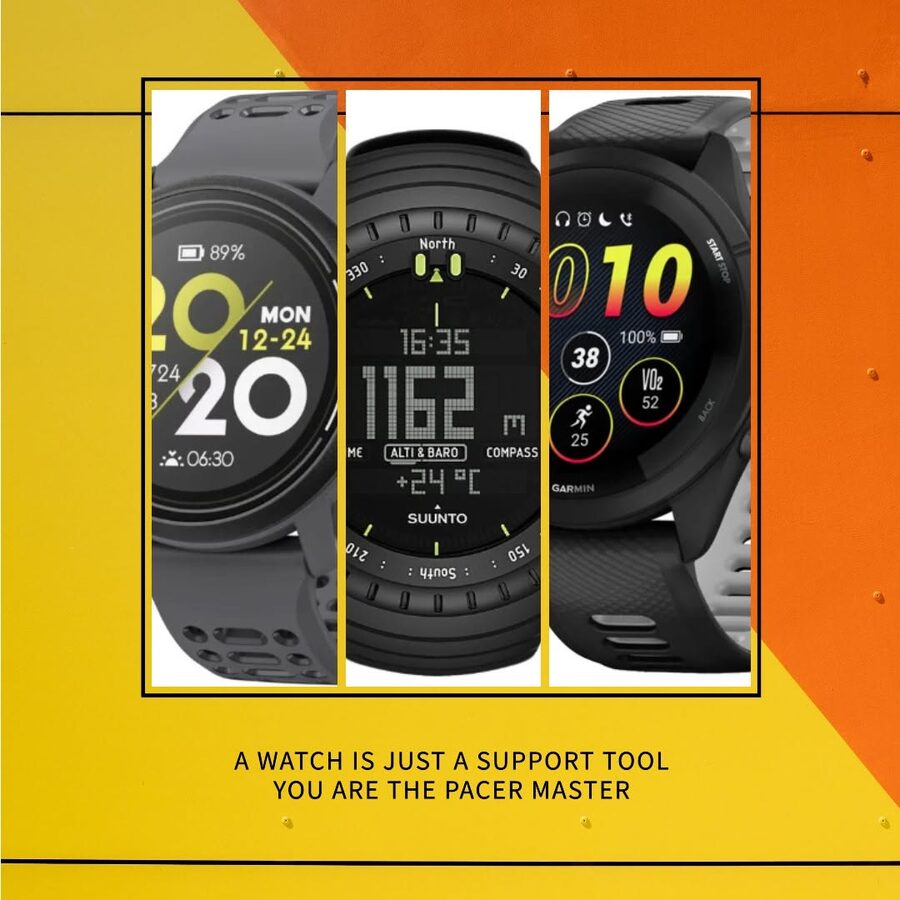
Read articlePacers rely heavily on their watches — but a flat battery or GPS glitch shouldn’t derail your race. Know your pace and your plan by heart.
Read articlePacing is the art of energy management, environmental adaptation and tactical control. Every training session follows four foundational rules.
Read articleWatches fail. Every pacer must be able to hold target pace by feel and verify it against the official course markers — here’s how to train it.
Read articleIn tropical climates, heat and humidity are the biggest outside factors on race day. How heat affects pacing, how to prepare, and the warning signs of heat illness.
Read articleClose your eyes. Remember the wow-effect of your first marathon — the joy of crossing that finish line. Now, be that feeling for someone else.
Library
Pacing is the art of energy management, environmental adaptation and tactical control. Every training session follows four foundational rules.
Read articleRemember one number — your target pace — and apply simple plus or minus offsets. Includes a worked example session for a 4:15 marathon group.
Read articleWatches fail. Every pacer must be able to hold target pace by feel and verify it against the official course markers — here’s how to train it.
Read articleAverage pace is your compass, lap pace your steering wheel. Plus: why your watch measures the race longer than its official distance — and what that means for your pace.
Read articleA stable cadence gives runners a smooth rhythm to lock onto. Change pace through your stride, not your rhythm.
Read articleAbrupt speed changes cost your runners energy they need later. Learn to return to schedule gradually — and how fast a race-day correction may be.
Read article